
Import & Export Tax Rules Explained for New Businesses in 2026
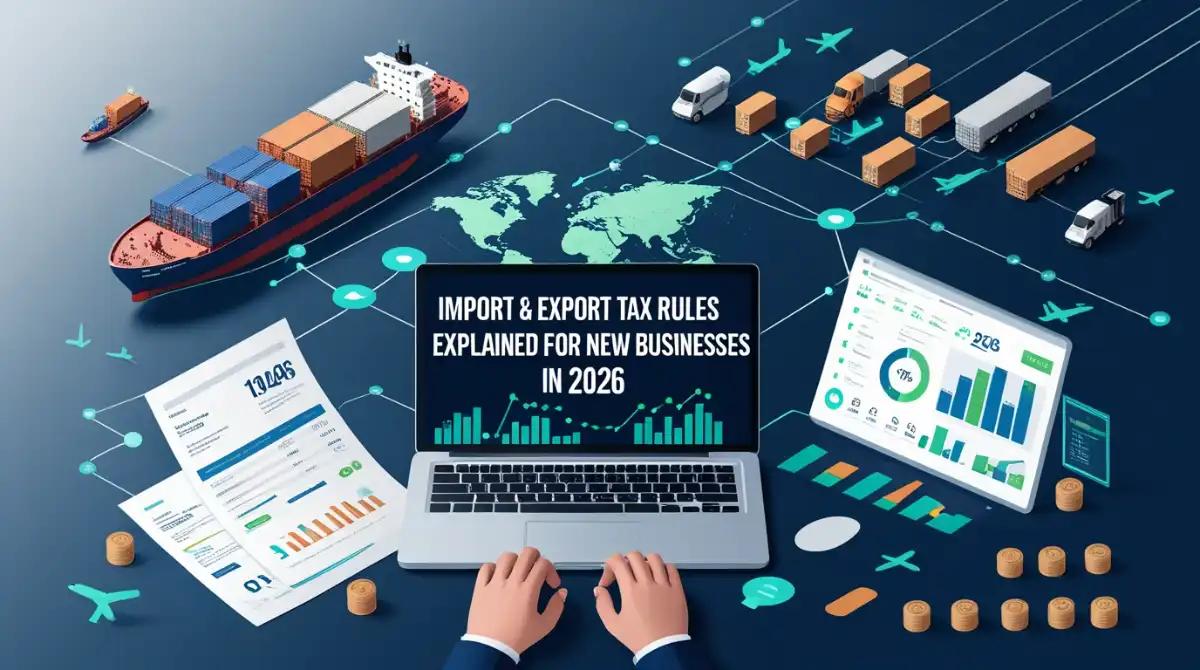
Starting an import-export business in 2026 comes with exciting opportunities, but understanding tax rules is crucial for success. Whether you're launching a startup in Islamabad, Karachi, or anywhere in Pakistan, navigating customs duties, import tax rules 2026, and export tax regulations can seem overwhelming at first. This comprehensive guide breaks down everything new businesses need to know about international trade taxes, from calculating import duty to understanding customs clearance processes. By the end of this article, you'll have a clear roadmap to stay compliant, reduce costs, and build a profitable global trade business.
What Are Import and Export Taxes?
Import and export taxes are fees charged by governments when goods cross international borders. These customs duties and tariffs serve multiple purposes: generating revenue for the government, protecting local industries, and regulating international trade.
For new businesses entering the import-export sector, understanding the difference between import tax and customs duty is essential. Import tax refers to all taxes applied to goods entering a country, including customs duty, VAT, and other fees. Customs duty specifically is the tariff charged based on the product type, value, and country of origin.
In Pakistan, the Federal Board of Revenue (FBR) oversees import and export taxation. The FBR Pakistan implements customs regulations, processes tax returns, and ensures trade compliance across all major ports in Karachi, Lahore, and Islamabad.
Types of Import and Export Taxes in 2026
Understanding the different types of trade taxes helps you calculate your total landed cost and budget accordingly.
Import Duties and Taxes
Customs Duty: This is calculated as a percentage of the goods' value. Rates vary depending on the Harmonized System (HS) code of your product. For example, electronics might face different tariff rates than textiles or machinery.
Import VAT: Most countries charge Value Added Tax on imported goods. In Pakistan, sales tax on imports ranges from 12% to 18% depending on the product category. The FBR sales tax verification system helps businesses confirm their tax obligations.
Anti-Dumping Duties: These protect local industries from unfairly priced foreign goods. If you're importing products sold below market value, expect additional countervailing duties.
Merchandise Processing Fee: Some countries, particularly the United States, charge a processing fee (typically 0.3464% of shipment value) for customs clearance services.
Export Taxes and Incentives
Unlike imports, exports often receive favorable tax treatment. Many countries offer export tax incentives for small businesses 2026 to encourage international trade. Pakistan provides duty drawback programs where exporters can claim refunds on duties paid for imported raw materials used in export production.
Export duties are rare but exist for certain commodities like raw materials and agricultural products to ensure domestic supply. Most manufactured goods face zero export duty, making international sales highly profitable.
How to Calculate Import Tax for Small Business
Calculating your import costs accurately prevents surprises at customs and helps maintain healthy profit margins. Here's a step-by-step guide to import duty calculation:
Step 1: Determine Your Product's HS Code
The Harmonized System code is a 6-10 digit number that classifies your product internationally. Use the FBR HS code lookup tool or customs duty calculator online to find your product's classification. Accurate tariff classification is crucial because even similar products can have vastly different duty rates.
Step 2: Calculate the Customs Value
Customs valuation methods typically use the CIF (Cost, Insurance, Freight) value. Add your product cost, international shipping costs, and insurance to get the assessable value.
Step 3: Apply the Duty Rate
Multiply the customs value by the applicable duty rate. For example, if you're importing electronics worth $10,000 with a 20% duty rate, you'll pay $2,000 in customs duty.
Step 4: Add Additional Taxes
Include import VAT, sales tax, and any special fees. In Pakistan, add the applicable sales tax percentage to your total. The FBR tax calculator can help automate these calculations.
Step 5: Calculate Total Landed Cost
Your total landed cost includes product cost, shipping, insurance, customs duty, taxes, customs brokerage fees, and any port handling charges. This is your true cost of importing.
Essential Import Export Documentation Requirements
Proper trade documentation requirements separate successful importers from those facing customs delays and penalties. Here are the documents needed for customs clearance:
For Imports
Commercial Invoice: Details the seller, buyer, product description, quantity, value, and terms of sale. This is the primary document for customs valuation.
Bill of Lading: Issued by your shipping company, this proves ownership and details shipping terms.
Packing List: Shows how goods are packaged, including weight and dimensions.
Certificate of Origin: Proves where products were manufactured, essential for claiming preferential tariff rates under free trade agreements.
Import License: Required for restricted goods. Check if you need an import license for your product category.
Customs Declaration: Filed through the FBR system in Pakistan or relevant customs authorities in other countries.
For Exports
Export License Application: Required for controlled goods.
Commercial Invoice for Exports: Similar to import invoices but formatted for export regulations.
Export Packing List: Detailed breakdown of shipment contents.
Certificate of Origin: Helps foreign buyers claim reduced duties under trade agreements.
Shipping Bill: Filed with customs authorities to clear goods for export.
Understanding Customs Clearance Process
The customs clearance timeline for new importers typically ranges from 2-7 days, but understanding the process helps avoid delays.
When your shipment arrives at the port, customs authorities verify your documentation, inspect goods (if selected for examination), assess duties and taxes, and release the shipment upon payment. Using experienced customs broker services can expedite this process significantly.
A customs broker acts as your representative, handling paperwork, communicating with customs officials, and ensuring compliance. For new businesses wondering when do I need to hire a customs broker, the answer is simple: if you're importing regularly or dealing with complex products, a broker's expertise is invaluable.
Free Trade Agreements and Tax Benefits
How do free trade agreements affect import tax? FTAs can dramatically reduce or eliminate customs duties between partner countries. Pakistan has trade agreements with China (FTA), Malaysia, Indonesia, and others.
The USMCA trade agreement benefits cover North American trade, while the UK-EU trade agreement affects post-Brexit commerce. Understanding which FTA applies to your trade route can save thousands in duties.
To claim preferential tariff rates, you'll need proper certificates of origin and compliance with rules of origin requirements. Each FTA specifies what percentage of the product must originate from member countries.
Common Import Tax Mistakes New Businesses Make
Learning from others' errors saves money and stress. Here are frequent pitfalls:
Incorrect HS Code Classification: Using the wrong classification can result in overpaying or underpaying duties. Customs penalty mitigation becomes necessary when errors are discovered, potentially costing more than the original duty.
Undervaluing Goods: Some businesses try reducing declared value to pay less duty. This is illegal and leads to severe penalties, shipment seizure, and legal troubles.
Missing Documentation: Incomplete paperwork causes customs hold situations. Always prepare all required import documents before shipment arrival.
Ignoring De Minimis Thresholds: Many countries have a de minimis value for imports below which no duty applies. In the US, it's $800; in the EU, it's €150. Understanding these thresholds helps structure shipments efficiently.
Not Using Available Tax Exemptions: Import tax exemptions for startup companies exist in many jurisdictions. Research tax-efficient import methods and duty optimization strategies applicable to your business.
Country-Specific Import Tax Rules
Import and export regulations vary significantly by country. Here's what businesses need to know about major markets:
United States Import Tax Rules 2026
The CBP customs regulations require formal entry for shipments over $2,500. US import tax rules 2026 include the merchandise processing fee, harbor maintenance fee, and applicable tariffs. The US-China tariff updates 2026 continue affecting electronics and manufactured goods, so verify current rates before importing.
UK Import VAT After Brexit
HMRC customs duty rules changed significantly post-Brexit. British businesses now need a GB EORI number registration for importing. The UK import VAT system allows postponed VAT accounting UK for VAT-registered businesses, improving cash flow.
European Union Import Tax Regulations 2026
EU VAT on imports applies to all goods entering the customs union. EORI number requirements are mandatory for businesses trading with the EU. The Union Customs Code compliance ensures standardized procedures across member states.
Pakistan Import and Export Tax Framework
In Pakistan, the FBR Pakistan manages all customs operations. Businesses need NTN registration, sales tax registration, and in some cases, an Import Export General Permit (IEG). The FBR income tax calculator helps determine tax obligations.
Pakistan offers Special Economic Zones (SEZ) with tax incentives for manufacturers and exporters. The FBR extension deadlines for tax filing are announced annually, typically around September-October for income tax returns.
For those new to the field, enrolling in an import export course in Pakistan provides practical knowledge of FBR procedures, documentation, and compliance requirements.
How to Reduce Import Duty Costs Legally
Smart businesses use legitimate duty minimization strategies to maximize profitability:
Tariff Engineering: Slight product modifications can change HS classification to a lower duty category. This requires careful analysis and expert consultation.
Foreign Trade Zones: Using bonded warehouses allows deferring duty payment until goods enter commerce. Some products can be modified in FTZs, potentially qualifying for lower duties.
Duty Drawback Programs: If you import materials for manufacturing exports, claim refunds on the import duties paid. The drawback claim filing process recovers significant costs.
Free Trade Agreement Utilization: Source from FTA partner countries to access preferential rates. A 20% standard duty might reduce to 0-5% under an FTA.
First Sale Rule: In some countries, you can declare the manufacturer's price to the first buyer rather than the reseller's price, reducing the duty calculation base.
The Role of Technology in Import Export Compliance
Modern trade compliance software streamlines customs processes. The Automated Commercial Environment (ACE) in the US and similar digital customs declaration systems worldwide enable faster processing.
AI-powered trade compliance tools help with HS code classification, restricted party screening, and documentation preparation. The FBR digital invoicing system and TradeNet system in Singapore exemplify how technology simplifies tax compliance.
Using a customs duty calculator online before shipping helps budget accurately. The FBR tax calculator provides Pakistan-specific calculations, while international tools like the customs duty EU calculator serve European traders.
Import Export License Requirements for Beginners
Do you need an import license? It depends on what you're importing. Most general merchandise requires no special license, but restricted goods like pharmaceuticals, chemicals, weapons, and certain agricultural products need permits.
The import export license requirements for beginners typically involve:
- Business registration with relevant authorities
- Tax registration (NTN in Pakistan)
- Sales tax/VAT registration
- Product-specific licenses if applicable
- Bank account for international transactions
- IEC code for import export (in India) or equivalent in your country
Career Opportunities in Import Export
The international trade sector offers excellent career prospects. With global e-commerce import regulations 2026 expanding cross-border sales, demand for trade professionals is growing.
Professionals with expertise in customs compliance, logistics, trade finance, and international tax regulations command premium salaries. Whether you're starting your own import-export business or seeking employment, comprehensive training is essential.
The Institute of Corporate and Taxation offers specialized programs covering practical aspects of international trade, FBR procedures, documentation, and compliance. Their Master Import and Export course provides hands-on training in customs procedures, tax calculations, and real-world scenarios.
Why Choose Professional Import Export Training?
While you can learn basics online, professional training offers distinct advantages:
Practical Skills: Understanding how to prepare a commercial invoice for exports, file customs entries, and handle compliance audits requires hands-on experience.
FBR System Knowledge: Pakistan's FBR iris portal, PSID verification, and online registration systems have specific procedures best learned through guided instruction.
Networking: Connect with customs brokers, freight forwarders, and experienced traders who can become valuable business contacts.
Updated Information: Trade regulations change frequently. Professional courses stay current with the latest US import tax rules 2026, UK tariff schedule 2026, and Pakistan customs updates.
Career Advancement: Certification from recognized institutions like ICT enhances credibility with employers and clients.
Staying Compliant: Import Export Compliance Checklist
Maintaining customs compliance protects your business from penalties and operational disruptions. Use this checklist:
- Verify correct HS code classification for all products
- Maintain accurate customs recordkeeping for at least 5 years
- File all required documentation before shipment arrival
- Pay customs duties and taxes on time
- Respond promptly to any customs inquiries or audits
- Stay updated on restricted party screening lists
- Ensure all staff handling trade understand compliance requirements
- Review and update import/export procedures quarterly
- Monitor changes in trade sanctions compliance
- Keep certificates of origin and supporting documents organized
Future of International Trade Taxation
Looking ahead, several trends are reshaping import and export taxation:
Carbon Border Adjustment Mechanism: The EU's environmental tariffs on carbon-intensive imports are expanding. Sustainable import tax incentives reward eco-friendly products.
Digital Trade Taxation: E-commerce import regulations 2026 address the boom in cross-border online sales, with stricter compliance for platforms and sellers.
Supply Chain Transparency: Forced labor import restrictions require detailed supply chain documentation. Blockchain in customs clearance may become standard for verifying ethical sourcing.
Remote Customs Processing: Contactless customs clearance accelerated during the pandemic and continues evolving, reducing physical interactions and processing times.
Frequently Asked Questions
What is import tax and how is it calculated?
Import tax is a fee charged on goods entering a country, calculated based on the product's value, classification (HS code), and origin country. The formula typically includes customs duty (percentage of CIF value) plus import VAT or sales tax. For example, importing $10,000 worth of goods with 15% duty and 17% sales tax would cost approximately $3,255 in import taxes.
Do new businesses pay import duties?
Yes, all businesses pay import duties regardless of size or experience. However, new businesses may qualify for certain tax exemptions for startups, reduced rates under trade agreements, or de minimis thresholds for small shipments. Some countries offer first-time importer programs with guidance and simplified procedures, but duties still apply to most imports.
How do I find my HS code?
Find your HS code by using your country's customs authority website (FBR HS code list in Pakistan, CBP database in the US). Describe your product in detail, search the harmonized system database, or consult with a customs broker. The HS code lookup tool provides 6-8 digit codes that determine your applicable duty rate and import regulations.
What documents are needed for customs clearance?
Essential customs clearance documents include commercial invoice, bill of lading or airway bill, packing list, certificate of origin, and customs declaration form. Depending on your product, you may also need import permits, certificates of compliance, inspection certificates, and insurance documents. Having complete documentation prevents delays and customs holds.
When do I need to hire a customs broker?
Hire a customs broker when importing regularly, dealing with complex products, lacking in-house expertise, or importing high-value shipments. While you can handle customs independently, brokers provide expertise in tariff classification, documentation, compliance, and communication with customs authorities. Their fees (typically $50-$200 per shipment) often save more through accurate filing and faster clearance.
How long does customs clearance take?
Customs clearance typically takes 2-7 days for standard imports with complete documentation. Factors affecting timeline include shipment type (air freight clears faster than ocean), product category (restricted goods need additional review), documentation completeness, customs workload, and whether your shipment is selected for physical inspection. Expedited clearance is possible through programs like C-TPAT (US) for pre-approved trusted traders.
Can I get a refund on import taxes?
Yes, you can get refunds through duty drawback programs if you imported materials for manufacturing exports, paid incorrect duties due to classification errors, or experienced damaged/defective goods. The customs duty refund process requires filing claims within specified timeframes (typically 3-5 years) with supporting documentation proving your eligibility for the refund.
What happens if I don't pay customs duties?
Failure to pay customs duties results in shipment detention at the port, accruing storage fees, potential seizure and auction of goods, monetary penalties and fines, legal prosecution for duty evasion, and prohibition from future imports. The cost of non-compliance far exceeds the original duty amount, making timely payment essential for business continuity.
Conclusion: Master Import Export Taxation for Business Success
Understanding import export tax rules in 2026 is non-negotiable for international trade success. From calculating customs duty to preparing documentation, managing compliance, and optimizing costs, every aspect requires knowledge and attention to detail. New businesses that invest in learning these fundamentals avoid costly mistakes, build efficient operations, and maximize profitability.
Whether you're importing electronics into Pakistan, exporting textiles to the EU, or exploring global markets, mastering customs procedures, tax calculations, and trade compliance creates competitive advantages. The complexity of FBR regulations, international trade laws, and varying country requirements means professional training delivers exceptional value.
Ready to launch or expand your import-export business with confidence? The Institute of Corporate and Taxation offers comprehensive training programs designed for new entrepreneurs and professionals. Their expert-led import export courses cover everything from FBR procedures to international documentation, customs clearance, and tax optimization strategies.
Book a seat at the Advanced Import and Export Course offered by ICT and transform your international trade knowledge. With practical training, experienced instructors, and industry-recognized certification, you'll gain the skills needed to navigate import tax rules 2026, ensure compliance, and build a thriving global business.
Contact ICT today to learn more about upcoming course schedules, curriculum details, and how professional training can accelerate your import-export success. The world of international trade awaits—equip yourself with the knowledge to seize every opportunity.
About the Institute of Corporate and Taxation: ICT is Pakistan's leading provider of professional taxation and import-export training, offering industry-relevant courses in Islamabad, Karachi, and online. With expert faculty and practical curriculum, ICT prepares students for successful careers in international trade and taxation.