Top 7 Smart Features of Digital Vehicle Cards in Pakistan
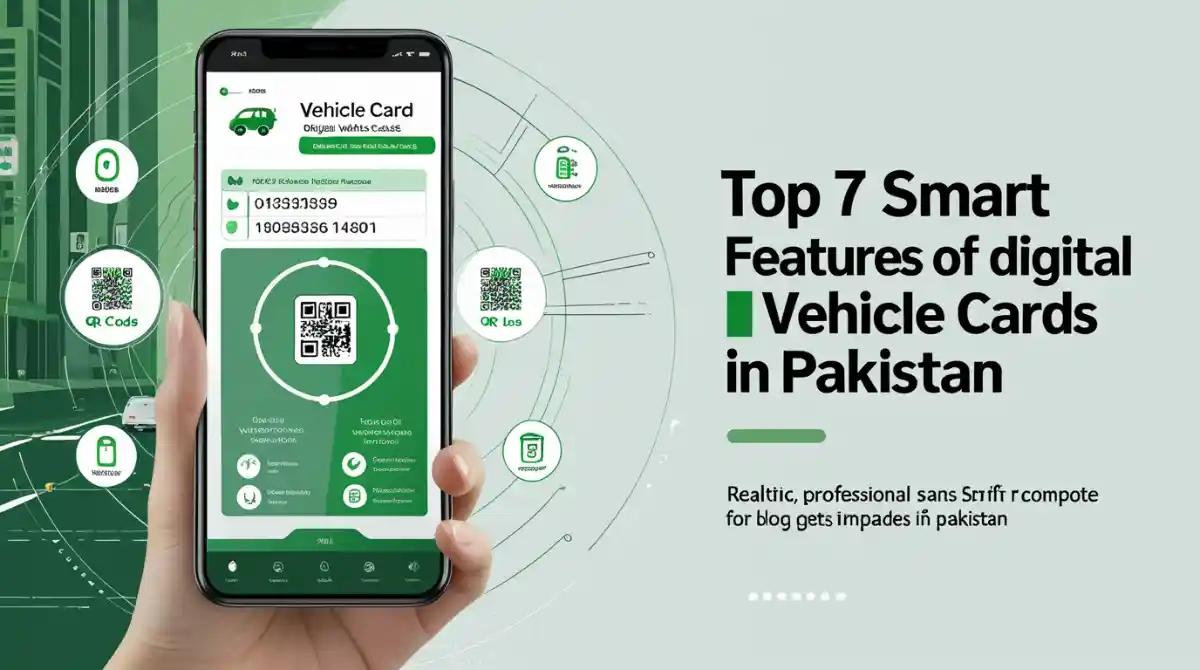
Pakistan's digital transformation journey has reached the automotive sector, revolutionizing how we register and verify vehicle ownership. Digital vehicle cards represent a massive leap forward from traditional paper-based registration books, bringing smart technology directly into the hands of vehicle owners across Lahore, Karachi, Islamabad, and beyond. If you've ever wondered how to get a digital vehicle card in Pakistan or what makes these smart cards so revolutionary, you're in the right place.
The Excise and Taxation Department Pakistan, working alongside NADRA and provincial authorities, has introduced electronic vehicle cards that combine biometric security, real-time verification, and anti-counterfeiting technology. These aren't just plastic cards—they're sophisticated digital identification systems that are transforming vehicle verification systems nationwide.
What is a Digital Vehicle Card in Pakistan?
A digital vehicle card, also known as a smart vehicle registration card or e-vehicle card Pakistan, is an advanced electronic document that replaces the traditional vehicle registration book. Unlike the old paper-based system, these cards utilize secure chip technology, QR code scanning, and cloud-based vehicle records to store and verify vehicle ownership information.
The National Database and Registration Authority (NADRA) partners with provincial excise departments—including Punjab Excise Department, Sindh Excise and Taxation, KPK Excise Taxation and Narcotics Control Department, and Balochistan Excise and Taxation—to issue these computerized vehicle registration cards. Each card contains encrypted vehicle data, owner information, and vehicle identity verification details accessible through mobile verification apps and online platforms.
Think of it as your vehicle's digital passport. Just as modern CNICs have replaced old-style identity cards, digital vehicle cards are modernizing vehicle records across Pakistan's smart city transportation infrastructure.
Why Digital Vehicle Registration Matters in Pakistan
Pakistan faces significant challenges with vehicle document fraud, fake registration books, and outdated manual verification processes. The excise and taxation offices in major cities like Karachi vehicle registration online services and Islamabad digital vehicle card centers were struggling with paper-based systems that enabled corruption and delays.
According to recent reports from the Excise and Taxation Department, thousands of fake vehicle documents circulate annually, facilitating theft and illegal ownership transfers. The shift to digital car documents Pakistan addresses these problems head-on by creating tamper-proof digital cards with multi-layer security features that are nearly impossible to counterfeit.
Beyond security, digital vehicle documentation streamlines everything from token tax payment to vehicle ownership transfer. What previously took days of visiting excise and taxation offices can now happen in hours through e-governance transport Pakistan initiatives.
The 7 Smart Features Revolutionizing Vehicle Registration
1. Biometric Authentication and Owner Verification
The most powerful feature of smart vehicle registration cards is biometric authentication vehicles technology. When you apply for your digital vehicle card through excise and taxation Islamabad or any provincial office, your fingerprints are linked directly to the card through NADRA's verification system.
This biometric vehicle registration creates an unbreakable connection between you and your vehicle. During traffic stops or vehicle verification checks, authorities can instantly confirm ownership by matching your fingerprints against the encrypted vehicle data stored on the card's secure chip.
How it works in practice: If someone tries to use a stolen vehicle with a digital card, the biometric mismatch immediately alerts the system. This feature alone has helped combat vehicle theft significantly since implementation in Punjab, Sindh, and Islamabad Capital Territory.
The Punjab Safe Cities Authority and traffic police Pakistan now use portable biometric scanners that read these cards in seconds, eliminating the need for lengthy manual verification processes that plagued the old system.
2. QR Code and RFID Technology for Instant Verification
Every digital vehicle card features a unique QR code and RFID chip containing comprehensive vehicle information. This QR code vehicle cards technology enables contactless verification—anyone with a smartphone can scan the code to access basic registration details through the excise and taxation vehicle verification portal.
Real-world application: Banks processing car financing applications can verify ownership instantly by scanning the QR code. Insurance companies processing claims, potential buyers checking used vehicles, and traffic police conducting routine checks all benefit from this instant verification system.
The RFID vehicle technology takes this further by enabling automatic toll collection and smart parking systems. As Pakistan develops intelligent transportation infrastructure, these RFID-enabled vehicle cards will communicate with electronic service delivery systems without requiring drivers to stop or present documents manually.
Excise and taxation Punjab online verification and Sindh excise and taxation vehicle verification portals both support QR code scanning, making the process accessible to anyone with internet connectivity.
3. Real-Time Database Integration with Cloud Storage
Unlike traditional registration books that exist only in physical form, digital vehicle cards connect to cloud-based vehicle records maintained by the Motor Vehicle Registration Authority and provincial excise departments. This real-time database access means your vehicle information is never just on the card—it's secured in government data centers with blockchain vehicle records technology.
Why this matters: If you lose your physical card, your vehicle registration isn't lost. You can request a duplicate digital vehicle card from any excise and taxation office near me without going through the entire registration process again. The cloud computing vehicle records ensure data persistence and accessibility.
This integration also enables automated data management for government agencies. The Excise and Taxation Department Punjab, for instance, can track token tax payment status, excise duty payment online records, and annual vehicle tax compliance across millions of vehicles in real-time.
For vehicle owners, this means receiving automated reminders for excise tax token renewal, vehicle tax assessment notifications, and registration expiration alerts directly through SMS or the mobile app for vehicle card verification.
4. Multi-Layer Anti-Counterfeiting Security
Digital vehicle cards employ sophisticated anti-counterfeiting technology that makes forgery practically impossible. These security features include:
- Digital watermark security embedded in the card material
- Holographic elements that change appearance at different angles
- Microprinting invisible to the naked eye
- UV-reactive ink detectable under special lighting
- Encrypted data chips requiring specialized readers
- Unique serial numbers registered in central databases
The excise and taxation department motor registration wing government of Sindh and other provincial authorities use specialized equipment to verify these security features. Even if someone creates a convincing visual copy, the card won't pass electronic verification through the digital authentication system.
These tamper-proof digital cards feature physical security comparable to modern passports and CNICs, representing a massive upgrade from easily forged registration books that anyone with a printer could duplicate.
5. Integrated GPS Tracking and Vehicle Telematics
Advanced versions of digital vehicle cards support GPS tracking integration and vehicle telematics—though this feature is currently optional and primarily used for commercial vehicles and high-value assets. This smart vehicle tracking Pakistan capability enables:
- Stolen vehicle recovery through real-time location tracking
- Fleet management for businesses with multiple vehicles
- Usage monitoring for insurance premium calculations
- Route optimization for commercial transporters
While personal vehicle owners don't typically activate this feature due to privacy concerns, it's becoming standard for vehicles involved in ride-sharing, logistics, and corporate fleets. The digital Pakistan initiative aims to eventually integrate this with smart mobility solutions across major urban centers.
For everyday vehicle owners, even without active GPS tracking, the digital cards enable location-based services like finding the nearest excise and taxation office Lahore, excise and taxation office Karachi, or e-Sahulat centers vehicle registration based on your current location.
6. Mobile App Integration for Digital Access
One of the most convenient smart features is the companion mobile verification apps available for both Android and iOS. These apps allow vehicle owners to:
- Download digital copies of their vehicle registration
- Verify vehicle information by scanning QR codes
- Pay token tax online without visiting offices
- Check excise tax rates and duty calculations
- Transfer ownership digitally with proper documentation
- Report lost or stolen cards immediately
- Receive renewal reminders for registration and taxes
The mtmis Punjab excise and taxation system and similar platforms in Sindh, KPK, and Islamabad all offer mobile interfaces. This paperless documentation approach means you can verify your vehicle ownership even if you've left the physical card at home—simply show the digital copy from your verified app.
For instance, the excise and taxation Islamabad online verification system allows you to complete most transactions from your smartphone, dramatically reducing the need to visit physical excise and taxation office Islamabad locations during working hours.
7. Cross-Provincial Verification and Interoperability
Perhaps the most underappreciated feature is seamless cross-provincial verification. Previously, verifying a vehicle registered in Lahore while in Karachi required lengthy inter-provincial communication. Now, the integrated vehicle database Pakistan enables instant verification regardless of where the vehicle was registered.
The government of Sindh excise and taxation department, KP excise taxation and narcotics control office, Punjab Excise Department, and Balochistan excise and taxation all share access to the central motor vehicle registration authority database. This electronic document verification system means:
- Provincial border crossings require no additional documentation
- Inter-city vehicle sales process faster with verified ownership transfer
- National security agencies can track vehicles across provinces for law enforcement
- Insurance claims process identically regardless of registration province
This interoperability reflects broader e-governance initiatives across Pakistan, aligning with the Digital Pakistan vision of connected, efficient government services.
Benefits of Smart Vehicle Registration Cards
The advantages of switching from traditional registration books to digital vehicle cards extend far beyond the seven smart features outlined above:
Time Efficiency: What previously required multiple visits to excise and taxation offices now happens in a single appointment. The digital vehicle card application process Pakistan typically completes within 24-48 hours rather than weeks.
Cost Savings: Reduced corruption and streamlined processes mean lower unofficial costs. Online excise and taxation Punjab services eliminate middlemen who previously charged "facilitation fees."
Enhanced Security: The combination of biometric authentication, encrypted data, and real-time verification makes these the most secure vehicle documents Pakistan has ever implemented.
Environmental Impact: Paperless documentation reduces paper waste and the environmental footprint of government record-keeping.
Financial Services Access: Banks and financial institutions prefer digital vehicle cards for car financing because they enable instant ownership verification and reduce fraud risk.
Insurance Processing: Digital vehicle card for insurance claims speeds up claim processing because insurers can verify vehicle details immediately without requesting additional documentation.
How to Get Your Digital Vehicle Card
The process varies slightly between provinces, but generally follows these steps:
Step 1: Gather Required Documents
- Original CNIC and photocopy
- Previous vehicle registration (if transferring from paper)
- Vehicle purchase documents
- Token tax receipts
- Biometric verification form
Step 2: Visit Designated Centers You can apply at:
- Provincial excise departments (excise and taxation Lahore, Karachi, Islamabad, etc.)
- E-Sahulat centers vehicle registration locations
- NADRA e-Sahulat vehicle services
- Authorized Pakistan Post Office branches
Step 3: Biometric Enrollment Your fingerprints will be captured and linked to your NADRA records.
Step 4: Payment The cost of digital vehicle registration card Pakistan ranges from PKR 1,500 to PKR 3,000 depending on vehicle category and province. Payment covers the card, processing fees, and system registration.
Step 5: Card Collection Most provinces offer tracking through punjab excise and taxation smart card tracking or similar systems. Collection typically takes 7-14 business days.
For specific guidance, contact the excise and taxation helpline number for your province or visit the excise and taxation online verification sindh, excise and taxation Punjab online verification, or excise and taxation KPK online verification portals.
Province-Specific Implementation
Punjab Digital Vehicle Cards
The department of excise and taxation Punjab leads in implementation, with services across major cities:
- Excise and taxation Lahore vehicle registration offers full digital services
- Excise and taxation Faisalabad and excise and taxation Gujranwala provide regional access
- Multan excise and taxation and excise and taxation Rawalpindi serve southern and northern Punjab
The punjab excise and taxation helpline (042-111-222-475) provides 24/7 support for queries.
Sindh Digital Vehicle Services
The Sindh excise and taxation department operates through:
- Excise and taxation civic center Karachi as the primary hub
- Excise and taxation department Karachi branches across the city
- Online excise and taxation Sindh portal for digital services
Contact the excise and taxation Karachi online verification system for real-time status updates.
Islamabad Capital Territory
The excise and taxation department Islamabad offers streamlined services:
- Excise and taxation office Islamabad locations across sectors
- Excise and taxation Islamabad online token payment system
- Excise and taxation Islamabad vehicle verification through digital portals
Check excise and taxation Islamabad timing (9 AM - 4 PM weekdays) before visiting.
KPK and Balochistan
- Excise and taxation KPK Peshawar serves Khyber Pakhtunkhwa
- Excise and taxation Peshawar provides provincial services
- Balochistan excise and taxation offers services in Quetta and major cities
Understanding Excise Tax and Digital Cards
Digital vehicle cards streamline excise tax Pakistan management significantly. The vehicle excise duty, token tax payment, and annual vehicle tax all integrate with your digital card:
Token Tax: Previously requiring physical visits to excise and taxation offices, token tax now processes online through excise and taxation Punjab token tax or excise and taxation Sindh token tax portals.
Excise Duty Calculation: The excise duty calculation automatically factors in your vehicle's engine capacity, age, and province of registration.
Tax Exemptions: Eligible vehicles can have excise tax exemptions recorded directly on digital cards, eliminating the need for separate documentation.
For detailed tax calculations, use resources like the Pakistan Income Tax Calculator to understand your broader tax obligations.
Future of Vehicle Registration in Pakistan
The digital transformation transport sector continues evolving. Upcoming developments include:
Blockchain Integration: Pakistan is exploring blockchain vehicle records for enhanced security and transparency in vehicle ownership transfer.
AI-Powered Verification: Artificial intelligence will enable instant verification system improvements, potentially detecting fraudulent transactions before they complete.
Smart City Integration: As cities like Lahore and Karachi develop smart city transportation infrastructure, digital vehicle cards will integrate with intelligent traffic management systems.
International Standardization: Pakistan aims to align with international IoT vehicle registration standards, potentially enabling cross-border vehicle verification.
Career Opportunities in Digital Taxation Systems
The digitalization of excise and taxation creates significant career opportunities. If you're interested in understanding taxation systems comprehensively, consider professional development through specialized programs.
The Institute of Corporate and Taxation (ICT) offers comprehensive taxation courses that cover both traditional and digital taxation systems. Their programs include:
- Understanding digital government systems and e-governance
- Excise and taxation department procedures
- Vehicle taxation and duty calculations
- Modern tax compliance systems
Explore their course offerings to understand how digital transformation is reshaping taxation careers. For professionals looking to expand into international trade taxation, their Master Import and Export course covers duties, tariffs, and customs procedures.
You can also utilize tools like the Pakistan Business Tax Calculator and Pakistan Freelance Tax Calculator to understand broader taxation frameworks.
Common Issues and Troubleshooting
Card Not Scanning: Visit the nearest excise and taxation office for re-encoding. Most issues stem from chip damage or demagnetization.
Database Mismatch: If online verification shows different information than your card, contact the excise and taxation helpline immediately. This could indicate fraud or data entry errors.
Lost Card Replacement: Report loss through the excise and taxation app or visit your registration office. Carry your CNIC for verification when collecting the duplicate.
Ownership Transfer Delays: Ensure both parties complete biometric verification. Most delays occur when sellers fail to appear for fingerprint confirmation.
Frequently Asked Questions (FAQs)
What is a digital vehicle card in Pakistan? A digital vehicle card is a smart, chip-enabled registration card issued by provincial excise and taxation departments in collaboration with NADRA. It replaces traditional vehicle registration books with biometric security, QR codes, and cloud-based verification systems that prevent fraud and enable instant verification.
How long does it take to get a digital vehicle card? The digital vehicle card application process typically takes 7-14 business days from biometric enrollment to card collection. You can track your application status through provincial portals like Punjab excise and taxation smart card tracking or by contacting the excise and taxation helpline number for your province.
Is the digital vehicle card accepted by banks and insurance companies? Yes, all major banks and insurance companies in Pakistan accept and often prefer digital vehicle cards because they enable instant ownership verification and reduce fraud risk. The cards are recognized for car financing, insurance claims, and all official transactions previously requiring traditional registration books.
How much does a digital vehicle card cost in Pakistan? The cost ranges from PKR 1,500 to PKR 3,000 depending on your vehicle category and province of registration. This fee covers card production, biometric enrollment, system registration, and processing charges. Check with your local excise and taxation office for exact current rates.
Can I use my digital vehicle card across all provinces? Absolutely. Digital vehicle cards feature cross-provincial interoperability, meaning a card issued in Punjab works seamlessly in Sindh, KPK, Balochistan, and Islamabad. The integrated national database enables instant verification regardless of where you're driving.
What should I do if I lose my digital vehicle card? Immediately report the loss through the excise and taxation mobile app or by visiting your nearest excise and taxation office. Bring your CNIC for verification. You can request a duplicate card, which typically issues within a few days since your information exists in the cloud-based system.
Conclusion
Digital vehicle cards represent Pakistan's commitment to modern, transparent, and efficient governance. The seven smart features—biometric authentication, QR code verification, real-time database integration, anti-counterfeiting technology, GPS tracking capability, mobile app access, and cross-provincial interoperability—collectively transform how we prove vehicle ownership and interact with excise and taxation departments.
Whether you're in Lahore, Karachi, Islamabad, Peshawar, or any city across Pakistan, these smart vehicle registration cards simplify vehicle verification, reduce corruption, prevent fraud, and save valuable time. The shift from paper-based registration books to secure chip technology cards marks a significant milestone in Pakistan's digital transformation journey.
If you haven't yet upgraded to a digital vehicle card, visit your provincial excise and taxation office or an authorized e-Sahulat center to begin the application process. The investment of time and the modest fee pays dividends through enhanced security, convenience, and peace of mind.
Ready to understand taxation systems comprehensively? Whether you're interested in vehicle taxation, import-export duties, or broader tax compliance, book a seat at an Advanced Taxation Course offered by ICT. Learn more about ICT and how professional taxation training can advance your career in Pakistan's evolving digital economy.
For the latest information on digital vehicle cards and excise taxation, visit your provincial excise and taxation department website or contact the excise and taxation helpline in your area. Stay updated on Pakistan's digital transformation initiatives and ensure your vehicle documentation meets modern standards.