
FBR's Digital Transformation: What It Means for Tax Professionals in Pakistan 2025
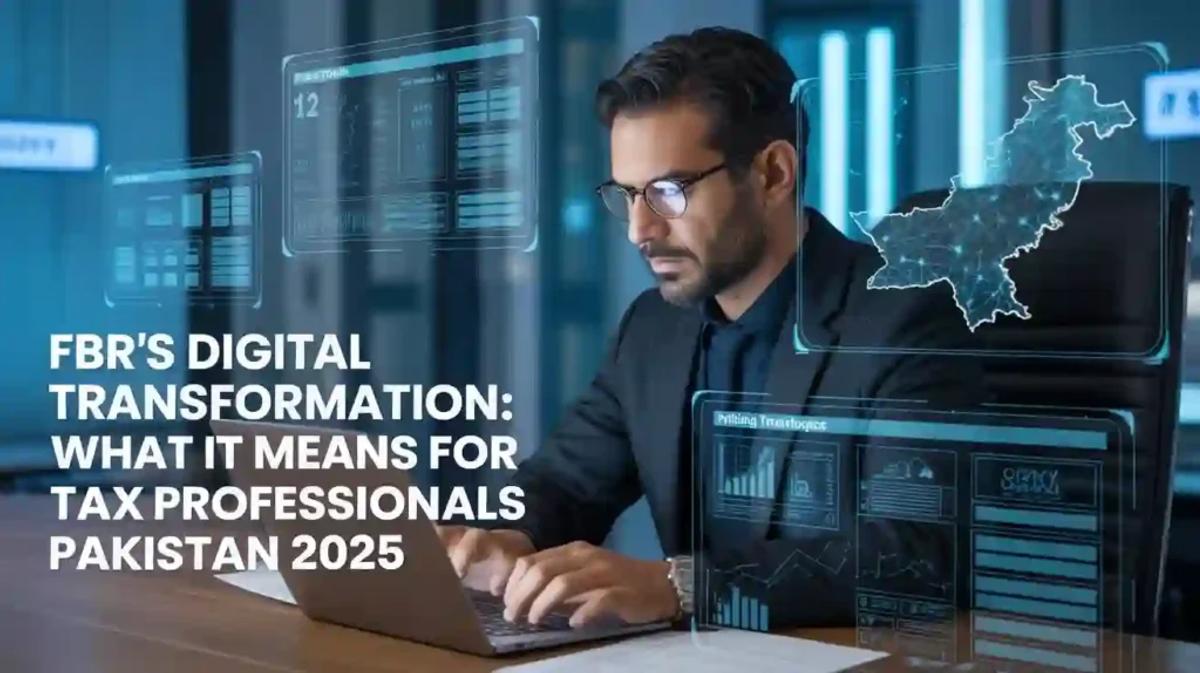
Pakistan's tax landscape is undergoing a revolutionary change. The Federal Board of Revenue (FBR) has embarked on an ambitious digital transformation journey that's reshaping how tax professionals work across the country. From Karachi to Lahore, chartered accountants and tax consultants are adapting to new systems like IRIS 3.0 and SWAPS. This shift toward Pakistan tax system digitalization isn't just about technology—it's about building a more transparent, efficient revenue collection system that benefits everyone. If you're a tax professional, understanding these changes isn't optional anymore; it's essential for your career growth.
What is FBR Digital Transformation?
FBR's Digital Transformation refers to the comprehensive modernization of Pakistan's tax administration through technology. The Federal Board of Revenue is replacing outdated manual processes with automated, cloud-based systems that enable real-time tax monitoring and data analytics for tax compliance.
At its core, this digital tax system Pakistan includes several key components. The IRIS system (Integrated Revenue Information System) serves as the central platform where taxpayers and tax professionals interact with FBR. Meanwhile, SWAPS (Synchronized Withholding Administration and Payment System) automates withholding tax processes, reducing human error and increasing transparency.
The transformation also involves artificial intelligence in tax collection, machine learning algorithms for detecting tax evasion, and blockchain technology for secure transactions. These aren't just buzzwords—they're practical tools that are changing how tax work gets done every day.
Why Pakistan Needs This Digital Shift
Pakistan's tax-to-GDP ratio has historically remained low, hovering around 10-11%. Compare this with neighboring countries like India (17%) or Bangladesh (9%), and you'll see there's room for improvement. The FBR modernization 2024 initiative aims to broaden the tax base, improve voluntary compliance, and move toward the ambitious Pakistan $47 billion revenue target.
Manual tax systems created bottlenecks. Processing returns took weeks, refunds were delayed for months, and transparency was limited. Tax evasion prevention technology now helps identify discrepancies in real time. For instance, the point-of-sale integration with FBR systems means that retail transactions are tracked automatically, making it harder for businesses to underreport sales.
The World Bank has recognized Pakistan's tax reform efforts, particularly the FBR-Karandaaz agreement that brings international expertise to the digitalization process. With IMF Pakistan tax program requirements pushing for better revenue collection, the pressure is on—but so are the opportunities.
Key Systems Every Tax Professional Must Know
IRIS 3.0: Your New Digital Workspace
The IRIS 3.0 tax system is the backbone of FBR's digital infrastructure. Think of it as a one-stop portal where tax filing, payment, and communication happen. Tax professionals in major cities like Islamabad, Rawalpindi, and Faisalabad are already using IRIS daily.
Benefits of IRIS 3.0 for chartered accountants include:
To register on IRIS portal, tax professionals need their valid NTN, CNIC, and registered mobile number. The process takes about 15 minutes, and FBR provides detailed guidelines on their official website.
SWAPS: Withholding Tax Made Simple
The FBR SWAPS system implementation guide for tax consultants shows how withholding taxes are now collected at source automatically. Banks, employers, and businesses submit withholding tax data directly to FBR through digital channels.
This means tax professionals must ensure their clients' systems are SWAPS-compliant. The benefits are clear: faster processing, fewer disputes, and real-time credit of withheld taxes to taxpayer accounts.
Digital Invoicing: The Compliance Game Changer
Digital invoicing system Pakistan requires businesses to generate electronic invoices that are automatically reported to FBR. This track and trace system helps monitor sales tax compliance in real time.
For tax consultants working with retailers, manufacturers, and service providers, understanding how FBR digital invoicing works is crucial. Non-compliance can result in penalties, so proper implementation becomes a valuable service you can offer clients.
How FBR Digitalization Affects Tax Professionals
The impact of artificial intelligence on tax practice in Pakistan is profound. Traditional tax preparation—entering data manually, calculating taxes on spreadsheets, filing physical returns—is becoming obsolete.
New Skills You Need to Develop
Digital literacy requirements for Pakistani tax practitioners now include:
Technical Competencies:
Advisory Skills:
Training requirements for tax professionals under new FBR system include continuing professional development (CPD) courses specifically focused on digital taxation. Organizations like the Institute of Corporate and Taxation (ICT) offer specialized programs that cover both technical and practical aspects.
Career Opportunities in the Digital Era
Career opportunities for tax professionals in digital era Pakistan are expanding, not shrinking. While basic data entry work may decline, demand is growing for:
CA firms in Karachi, Lahore, and Islamabad are actively hiring professionals with digital tax expertise. Salaries for digitally-skilled tax professionals often command a 20-30% premium over traditional roles.
Challenges Tax Professionals Face
Let's be honest—this transition isn't without difficulties. E-filing challenges for tax consultants in Pakistan include:
Technical Issues:
Client Resistance:
Infrastructure Limitations:
These challenges require patience and proactive problem-solving. The key is to view them as temporary hurdles, not permanent roadblocks.
How to Adapt Your Tax Practice for Success
Step 1: Invest in Your Education
Start by taking courses on FBR digital systems. The Institute of Corporate and Taxation offers an Advanced Taxation Course that covers IRIS, SWAPS, digital invoicing, and practical implementation strategies. These courses provide hands-on training with real scenarios you'll encounter in practice.
Where to get digital tax training in Pakistan:
Step 2: Upgrade Your Technology
Your practice needs the right tools. This includes:
Step 3: Educate Your Clients
Position yourself as a trusted advisor by helping clients understand digital tax requirements. Create simple guides, host workshops, and offer implementation support. This adds value beyond just filing returns and strengthens client relationships.
Step 4: Specialize in Digital Services
Consider specializing in areas like:
What's Coming Next in FBR Digitalization
When will FBR complete digital transformation? The honest answer is that this is an ongoing process. However, major milestones include:
2024-2025 Priorities:
The replacement of PRAL with modern infrastructure continues, with new systems being implemented in phases. Tax professionals who stay ahead of these changes will find themselves in high demand.
Real-World Success Stories
Consider the example of a tax consultancy firm in Lahore that embraced FBR digital training early. They invested in training all staff members on IRIS and SWAPS, then offered digital transition services to their SME clients. Within six months, they:
Or look at chartered accountants in Islamabad who specialize in digital compliance for startups. They've positioned themselves as the go-to experts for tech companies navigating online tax filing requirements—a niche that barely existed three years ago.
Why Choose ICT for Your Digital Tax Education
As FBR digital transformation accelerates, having the right education partner matters. The Institute of Corporate and Taxation (ICT) has been at the forefront of tax education in Pakistan, offering courses that blend theoretical knowledge with practical skills.
ICT's Advanced Taxation Course covers:
Whether you're in Karachi, Lahore, Islamabad, or any other city, ICT provides both in-person and online options to fit your schedule.
Frequently Asked Questions
What is the IRIS 3.0 system and why is it important?
IRIS 3.0 is the Federal Board of Revenue's integrated digital platform for all tax-related activities. It's important because it's now the mandatory portal for tax filing, payment, and communication with FBR. Tax professionals must use IRIS for client work, making proficiency essential.
How does FBR digitalization affect small tax practices?
FBR digitalization levels the playing field for small practices. You no longer need physical presence in FBR offices or extensive manual staff. However, you do need digital skills and technology infrastructure. Small practices that embrace these changes can compete effectively with larger firms.
Is digital tax filing mandatory in Pakistan?
Yes, for most categories of taxpayers, electronic tax filing Pakistan is now mandatory. Corporate taxpayers, registered individuals, and businesses must file returns through the IRIS system. Manual filing is only permitted in exceptional circumstances with prior FBR approval.
What training do accountants need for FBR system?
Accountants need training on IRIS portal operations, SWAPS system integration, digital invoicing compliance, and cybersecurity basics. Professional development courses specifically designed for FBR's digital systems are recommended. Practical, hands-on training is more valuable than purely theoretical courses.
How can tax professionals prepare for FBR digital changes?
Start by learning IRIS and SWAPS through official FBR resources and professional courses like those at ICT. Practice on the test environment FBR provides. Join professional forums to share experiences with peers. Most importantly, work with clients to implement digital compliance before deadlines hit.
Why is digital literacy important for accountants in Pakistan?
Digital literacy is now fundamental because tax administration has moved online. Accountants who lack digital skills cannot file returns, cannot access client tax data, and cannot provide modern advisory services. It's not just about career advancement—it's about basic professional competence in 2024 and beyond.
Conclusion: Your Digital Future Starts Now
The FBR digital transformation isn't a distant possibility—it's happening right now. Tax professionals across Pakistan, from metropolitan areas to smaller cities, are adapting to this new reality. Those who embrace digital tax compliance technology are finding new opportunities, better efficiency, and stronger client relationships.
The question isn't whether to adapt, but how quickly you'll do it. The good news? You don't have to navigate this alone. With proper training, the right tools, and a willingness to learn, you can thrive in Pakistan's digital tax ecosystem.
The Federal Board of Revenue has set an ambitious vision for tax administration modernization. As tax professionals, we have the opportunity to be part of this transformation, shaping how taxation works in Pakistan for decades to come.
Ready to future-proof your tax career? Book a seat at the Advanced Taxation Course offered by ICT and gain the digital skills that will set you apart in 2025 and beyond. Don't just watch the transformation—be part of it.